What is Telematics?
Telematics is a technology that combines GPS tracking, telecommunications, vehicle sensors, and real-time data analytics to help businesses monitor and manage vehicles, drivers, and assets more efficiently. In Australia, telematics has become an essential solution for businesses operating fleets across industries such as logistics, construction, mining, government, and field services.
A telematics system collects live data from vehicles and converts it into actionable insights that help businesses improve fleet visibility, reduce operational costs, enhance safety, and streamline compliance processes.
As Australian businesses continue to adopt digital fleet management solutions, telematics is playing a major role in improving productivity and operational efficiency
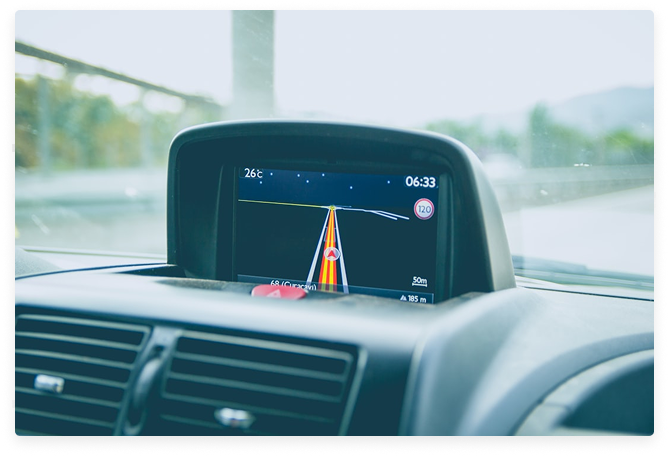
How Telematics Works
A telematics solution typically consists of:
System Components
GPS tracking hardware installed in vehicles
Vehicle sensors and diagnostic systems
Cloud-based fleet management software
Real-time reporting and analytics dashboards
The system gathers vehicle data such as:
Location tracking
Speed and driving behaviour
Fuel usage
Engine diagnostics
Idle times
Route history
Maintenance alerts
This information is then transmitted to a centralized platform where fleet managers can monitor operations in real time.
Why Telematics is Growing in Australia
Telematics adoption in Australia has increased significantly due to:
Rising fuel and operational costs
Growing demand for fleet visibility
Increased compliance requirements
Focus on driver safety
Demand for operational efficiency
Growth in logistics and transport industries
Australian businesses are increasingly relying on data-driven fleet management to remain competitive while improving customer service and reducing downtime.
Benefits of Telematics for Australian Businesses
Improved Fleet Visibility
Real-time GPS tracking allows businesses to monitor vehicle movement, optimize routes, and improve response times across operations.
Reduced Operational Costs
Telematics helps businesses:
Reduce fuel wastage
Minimize unnecessary idling
Improve vehicle utilization
Reduce maintenance expenses
Better Driver Safety
Fleet managers can monitor:
Speeding
Harsh braking
Rapid acceleration
Driver fatigue risks
This helps improve safety culture and reduce accident-related costs.
Increased Productivity
Businesses can automate fleet operations, optimize scheduling, and improve dispatch efficiency through live vehicle tracking and reporting.
Compliance & Reporting
Telematics systems support:
Digital logbooks
Vehicle inspection records
Driver activity monitoring
Compliance reporting
This is especially important for Australian transport and heavy vehicle regulations.
Key Features of Modern Telematics Systems
Real-Time GPS Tracking
Track vehicle locations live and monitor fleet mov
Driver Behaviour Monitoring
Identify unsafe driving patterns and improve driver accountability.
Fuel Monitoring
Monitor fuel usage trends and identify inefficiencies across the fleet.
Vehicle Diagnostics
Receive alerts for: Engine faults
Dash Camera Integration
Video telematics improves incident management, driver safety, and insurance claim support.
Route Optimization
Reduce travel time and improve operational efficiency with optimized route planning.
Industries Using Telematics in Australia
Transport & Logistics
Logistics businesses use telematics to improve delivery performance, optimize routes, and manage large fleets efficiently.
Mining & Resources
Mining operations use telematics to improve safety and track assets in remote environments.
Field Service Businesses
Service-based businesses optimize technician scheduling and improve customer response times using fleet tracking.
Construction
Construction companies use telematics to monitor heavy vehicles, equipment usage, and job site productivity.
Government & Councils
Public sector fleets use telematics to improve accountability and operational transparency.
How to Choose the Right Telematics Solution
When selecting a telematics provider in Australia, businesses should consider:
Scalability
Choose a solution that can support future fleet growth.
Compliance Support
Ensure the system supports Australian transport regulations and reporting requirements.
Integration Capabilities
Look for systems that integrate with:
- Fleet management platforms
- Payroll systems
- Maintenance software
- ERP solutions
Ease of Use
The platform should provide simple dashboards and reporting tools.
Customer Support
Reliable onboarding, training, and local support are important for long-term success.
Why Businesses Choose Procon Telematics
Procon Telematics provides advanced telematics and fleet management solutions tailored for Australian businesses.
Real-time GPS fleet tracking
Monitor your entire fleet with live tracking and location updates.
Video telematics solutions
Enhance incident management with integrated dash camera systems.
Fleet analytics and reporting
Make informed decisions with detailed insights and performance metrics.
Local Australian support
Dedicated customer service and technical support based in Australia.
Driver behaviour monitoring
Improve safety and reduce risks with comprehensive driver analytics.
Compliance management tools
Stay compliant with Australian regulations and reporting requirements.
Scalable fleet solutions
Flexible systems that grow with your business needs.
The platform helps businesses improve visibility, reduce operational costs, and make smarter fleet decisions using real-time data.
Future of Telematics in Australia
The future of telematics in Australia is driven by:
AI-powered fleet analytics
Predictive maintenance
Electric vehicle fleet monitoring
IoT-connected vehicles
Advanced video telematics
Automation and smart fleet management
As technology evolves, telematics will continue to become a critical component of modern fleet operations across Australia.
Frequently Asked Questions
Q1 What is telematics used for?
Telematics is used to monitor vehicles, drivers, and fleet operations through GPS tracking and real-time analytics.
Q2 How does telematics help businesses?
It helps businesses reduce costs, improve safety, optimize routes, and increase operational efficiency.
Q3 Is telematics suitable for small fleets?
Yes, telematics solutions can support both small businesses and enterprise fleets.
Q4 Which industries benefit most from telematics?
Industries such as logistics, construction, mining, government, and field services benefit significantly from telematics systems.
Q5 Does telematics improve compliance?
Yes, telematics helps businesses maintain accurate records and comply with Australian transport regulations.